
Menu
In our previous article, we examined what IBM FlashCore Module 5 changes from a performance and architectural perspective inside IBM FlashSystem. The more strategic shift, however, is not just about read performance. It is about where cyber resilience lives. For years, organisations have treated security as a software-layer responsibility. Firewalls, EDR, immutable backups, behavioural analytics — all essential. Yet ransomware incidents continue to escalate in sophistication. The question enterprise leaders are now asking is not whether they have security tools. It is whether detection and protection are embedded deeply enough into the infrastructure itself.
Modern ransomware does not behave like early variants.
It does not immediately encrypt everything in sight.
It can:
By the time software-layer controls detect abnormal activity, encryption may already have progressed into primary storage volumes. Software-based security operates above the storage layer. That creates a timing challenge. If detection only occurs once the operating system or hypervisor observes suspicious behaviour, the storage system is reacting rather than observing. That is the architectural gap.
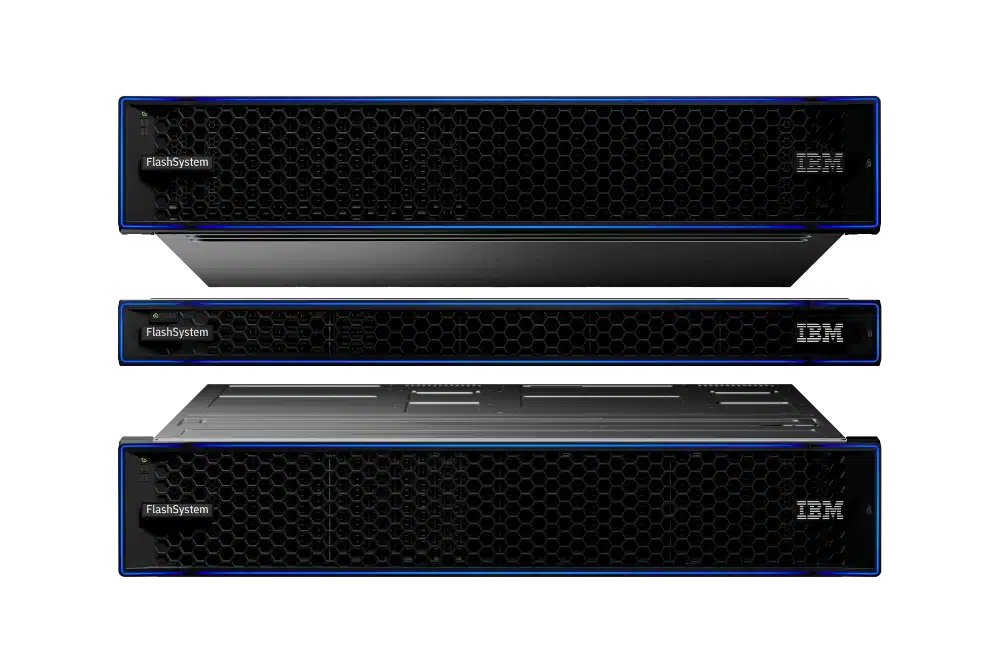
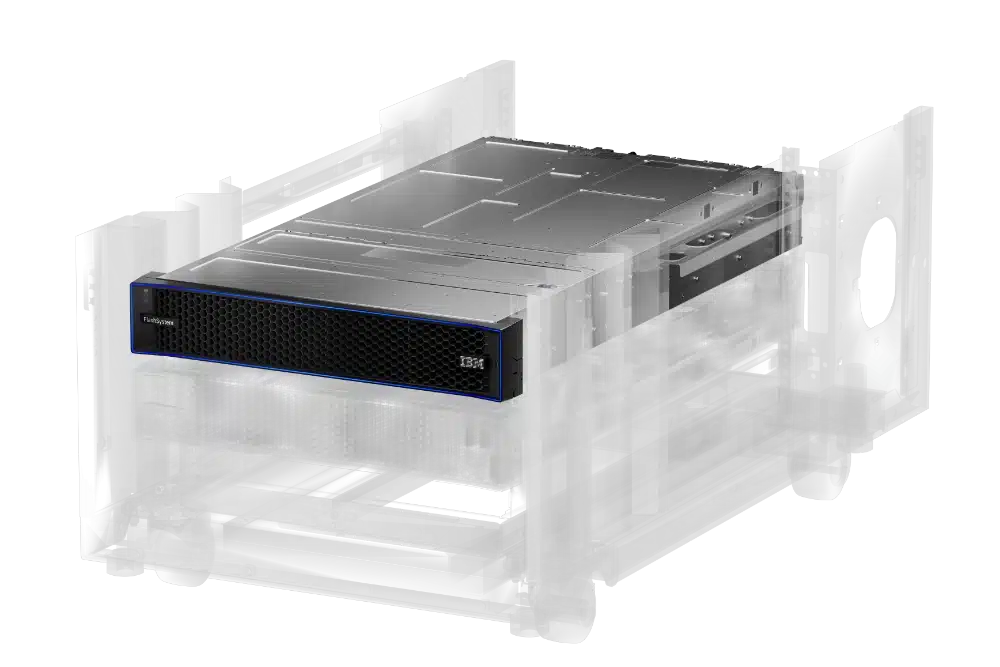
IBM’s approach with FlashCore Module 5 introduces ransomware threat detection capabilities directly within the flash module. This is not an external software appliance. It is monitoring that occurs within the storage hardware itself.
Instead of relying exclusively on host-level or backup-layer analytics, the module monitors data patterns for anomalies that may indicate ransomware behaviour. This includes observing changes in data entropy and write patterns that deviate from normal workload behaviour. The distinction is structural.Detection closer to the physical media reduces reliance on external signalling. It strengthens the depth of defence.
There is an increasing debate in enterprise infrastructure:
Should cyber resilience remain primarily a software discipline, or must it extend into silicon and firmware?
Software-layer controls provide:
They are essential. But they operate in an environment that can be compromised. Firmware-level or hardware-level detection, by contrast, operates below the operating system and hypervisor. It is not easily bypassed by privilege escalation within the host.
IBM’s inclusion of ransomware detection capabilities at the FlashCore Module level reflects this broader architectural trend: resilience embedded closer to the data itself. This does not replace existing security architecture. It complements it.
Boards are no longer satisfied with statements such as “we have backups.”
They want to understand:
If detection occurs only at backup restore time, recovery windows expand. If detection occurs at multiple independent layers network, endpoint, storage resilience posture strengthens. FlashCore Module 5 introduces detection within the storage hardware itself, adding another independent observation point. From an architectural standpoint, that is meaningful.
The conversation is not binary. Software-only security is insufficient. Hardware-only security is unrealistic. The enterprise question becomes: Where is the optimal balance? We view the shift as evolutionary. As AI workloads increase and data volumes expand, storage systems are no longer passive repositories. They are active infrastructure components. If storage remains “blind” while upper layers monitor for threats, detection depth remains limited. Embedding monitoring capability at the flash module level acknowledges that the data layer itself must participate in resilience strategy. This is not about replacing SIEM platforms or EDR systems. It is about reducing single-layer dependency.
Environments where ransomware risk carries significant regulatory, financial or operational impact stand to benefit most from deeper detection layers.
Particularly:
In these cases, layered detection is not excessive. It is prudent. In less regulated environments with strong immutability and well-tested recovery processes, the incremental value must be assessed relative to cost and architectural complexity. Technology decisions should reflect risk posture, not marketing narratives.

As an IBM Silver Partner, we do not position FlashCore Module 5 as a silver bullet.
Identity governance. Network segmentation. Immutable backups. Air-gapped recovery. Now, potentially, storage-layer anomaly detection.
Our role is to evaluate whether embedding detection within the flash module materially strengthens your environment based on:
In some estates, it meaningfully enhances defence-in-depth. In others, existing controls may already be proportionate.
The broader signal from IBM’s engineering direction is clear:
Storage is no longer just about performance and capacity. It is about participating in cyber resilience.FlashCore Module 5 reflects that shift by embedding ransomware threat detection capabilities at the module level inside FlashSystem arrays. This does not eliminate risk. But it changes where visibility begins. If you are reassessing your resilience posture and want to understand whether hardware-level detection strengthens your architecture — Request a storage architecture review with Fortuna Data. Not to replace your security strategy. To reinforce it.
